Guides
Yes or no tarot: how to read it without fooling yourself
The yes or no reading is the simplest spread in tarot: one card, one question. It is also the one people misread most, because they draw it hoping for a specific answer and bend the card when that answer doesn't come.
Here is how to read it honestly.
Ask a real closed question
The card answers what you ask, not what you mean. "Will it work out with him?" hides three questions: work out when, how, and according to whom. A usable question fits in one sentence, is about a decision or a near situation, and calls for a yes or a no.
- Too vague: "Will my life get better?"
- Usable: "Is this the right time to accept this job offer?"
Ask once. Drawing again until you get the yes you wanted is like asking a friend for advice and cutting them off the moment they disagree.
The three kinds of answer
In Cosmic Heart, each of the 78 cards has a written answer for this spread, upright and reversed. They fall into three groups.
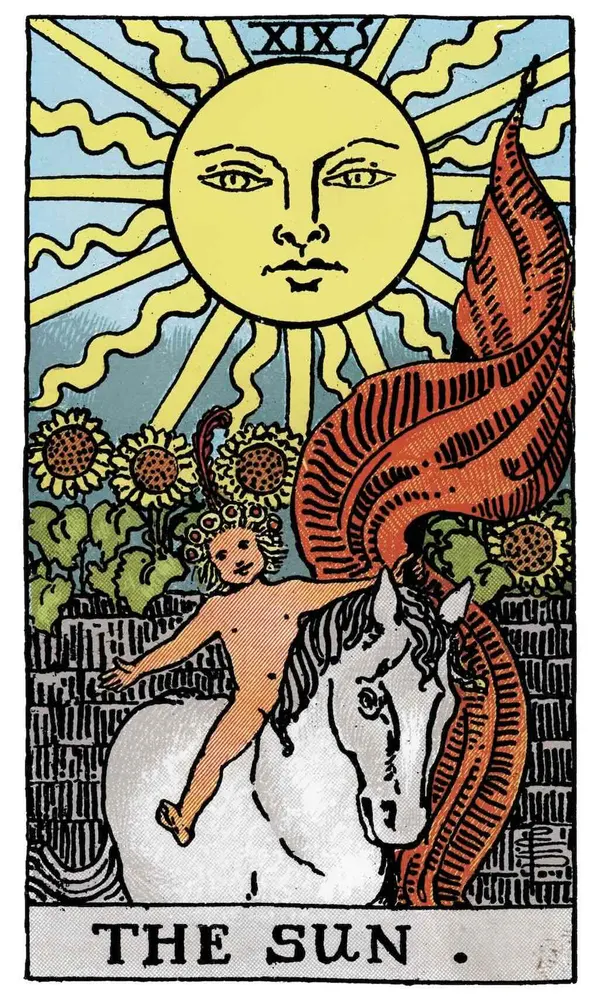
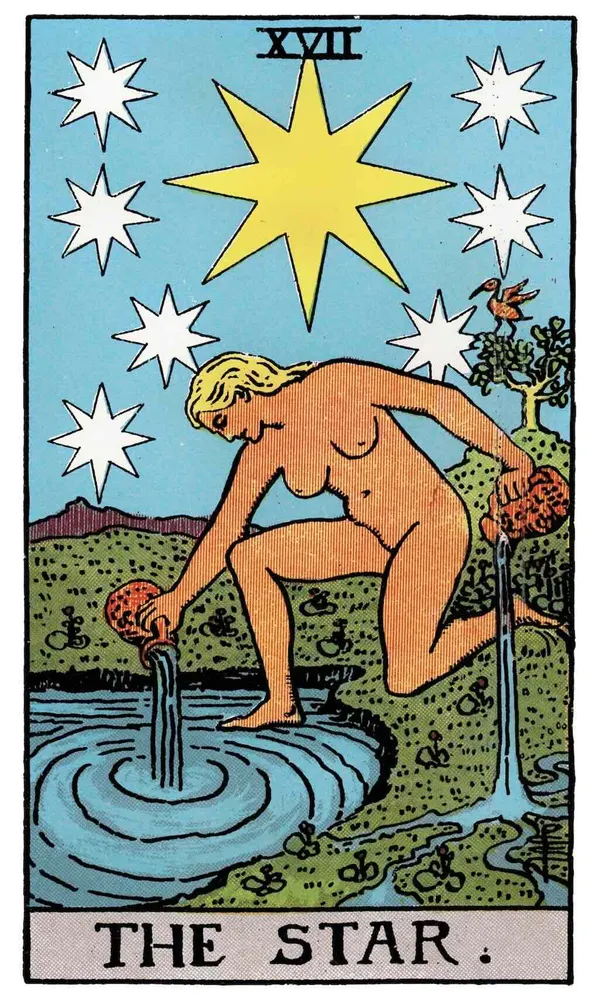
Clear yeses. The Sun is the brightest: "a radiant and unambiguous yes". The Star says yes too, but gently, like a promise that asks for a little patience.
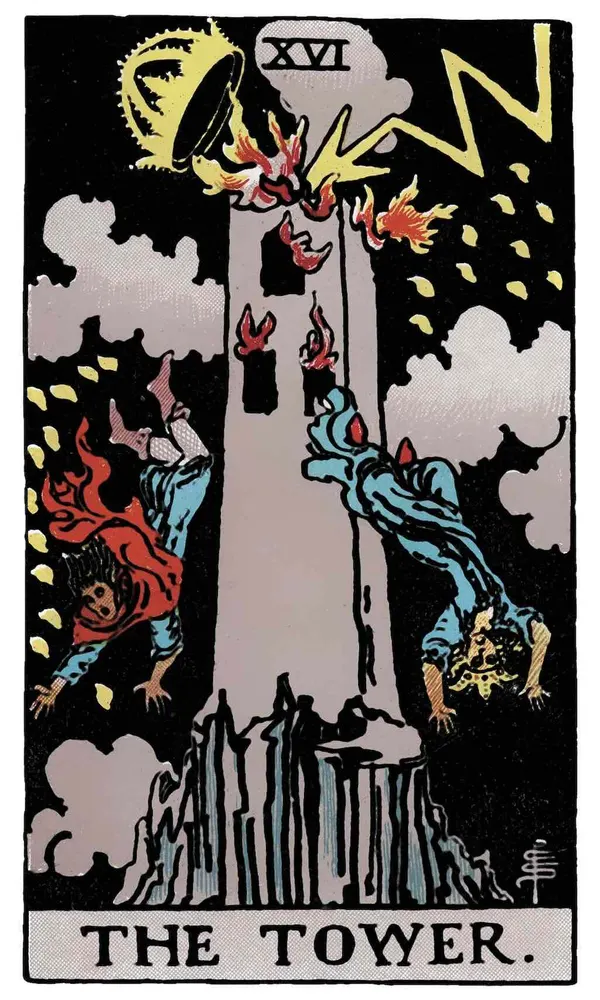
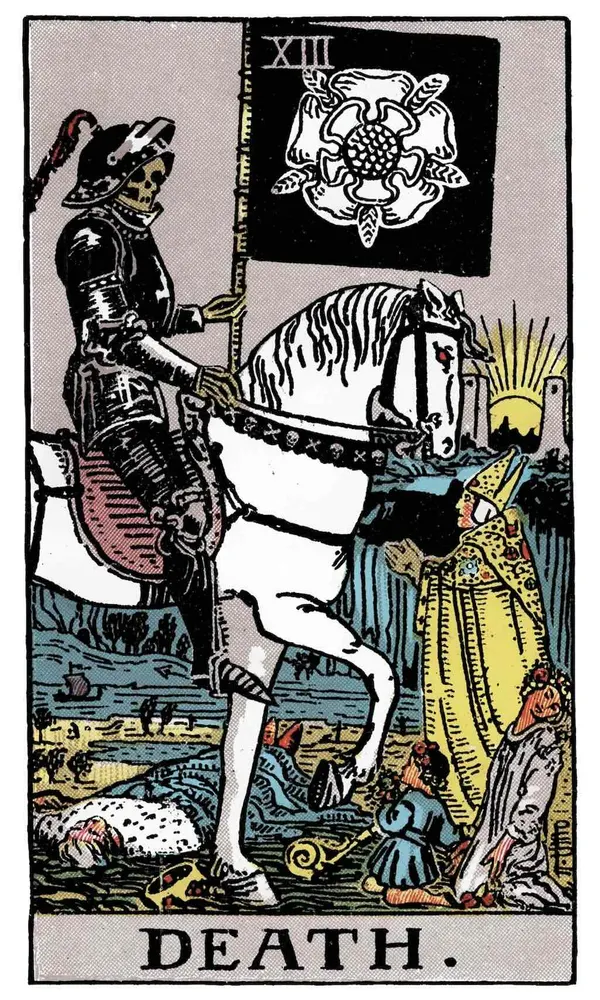
Noes that open a door. The Tower and Death both answer "no in its current form". This is the most important nuance of the spread: what's refused is not the thing itself, it's the way you are approaching it right now. These cards ask what has to fall before a yes becomes possible.
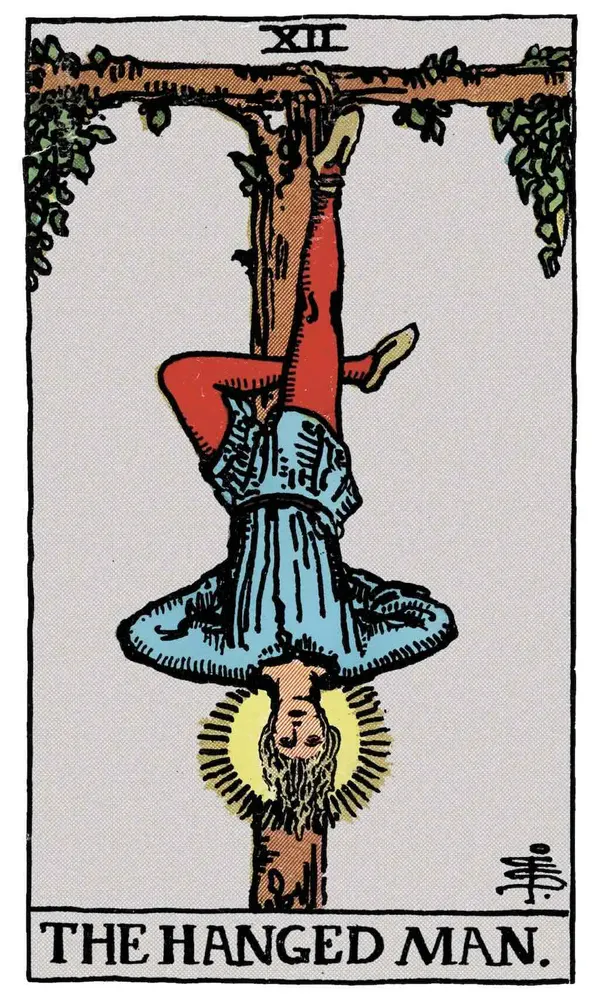
Cards that suspend. The Hanged Man says neither yes nor no. It tells you to let the question rest. That is a real answer: the situation isn't ripe, and forcing it now would backfire.
Ask your question now
5 free readings with a free account, in your browser, with every text. If the card shows up, you'll know what to do with it.
Upright and reversed
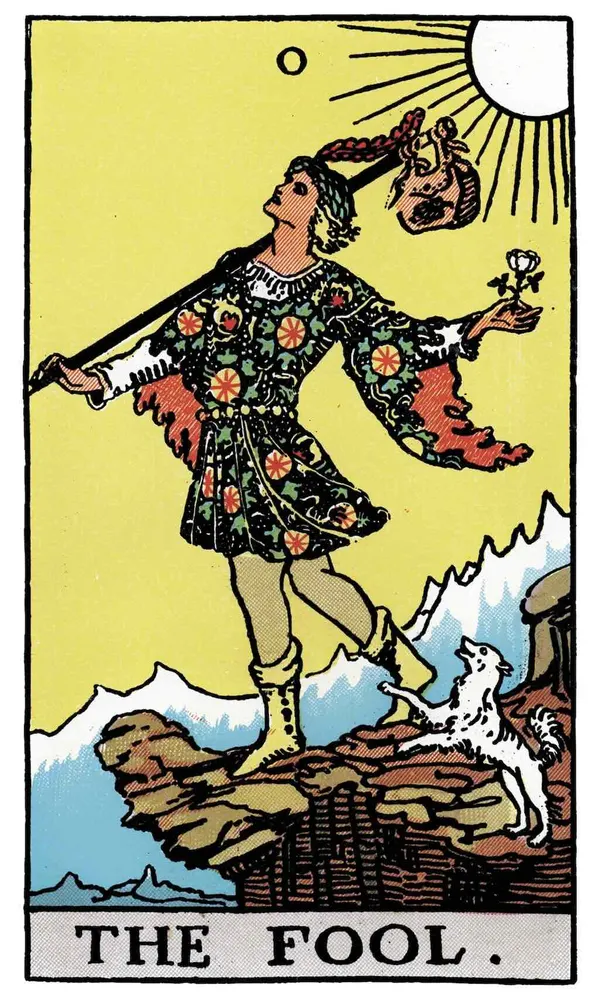
A reversed card doesn't mechanically flip the answer. It qualifies it. The Fool upright says yes, lightly. Reversed, it says no, but not forever: not like this, not in this rush. A reversal almost always speaks about your state at the moment you ask.
That's why the app writes a separate text for each direction instead of leaving you to guess.
When you don't like the answer
This is where the reading becomes useful. If you feel a sharp disappointment reading "no", you just learned what you really wanted. If you feel relief, you learned that too. The card didn't decide for you. It made visible something you already half knew.
The cards shed light on the present, they don't predict the future. Used this way, a yes or no reading is a great clarity tool. Used as an infallible oracle, it turns into an anxiety machine.
In short
- One closed, near question, in one sentence.
- One draw per question.
- "No in its current form" is not a final no.
- A card that suspends is a real answer.
- How you react to the answer matters as much as the answer.
Cards mentioned in this guide
Read next
An Akashic records reading with cards: how the Akashic Egg spread works
Eight cards on an infinity loop, one parallel life, a 3,000 to 4,500 word booklet. What the Akashic Egg is, how to read its eight stations, and how to approach it.
Can you read tarot for yourself?
Yes, and it's the best way to learn. The real traps of reading for yourself, and a simple method to avoid them.